Nymphadora Tonks
Nymphadora Tonks, a young Auror and Metamorphmagus, enters the sixth year at Hogwarts as a figure already marked by tragedy. Her usual vibrant, bubble-gum-pink hair and quick, joking manner have vanished, replaced by a mousy, drawn appearance and a forced smile. This transformation is the outward sign of a deep internal crisis triggered by the death of her cousin, Sirius Black, at the Battle of the Department of Mysteries, an event for which she blames herself and which has destabilized her magical core.
Identity and Introduction
Introduced at the Burrow late one night, Tonks is described as a young witch with a pale, heart-shaped face and mousy brown hair, a stark contrast to her usual colorful appearance. She is clutching a large mug and looks drawn, even ill. When Dumbledore arrives with Harry, she quickly takes her leave, refusing an invitation to dinner and vanishing into thin air. Molly Weasley watches her go with a troubled expression, noting that Tonks has been avoiding company. This initial portrait establishes Tonks as a character in retreat, her grief palpable and her usual effervescence extinguished.
Arc Through the Plot: Grief and Its Manifestations
Tonks's emotional state deteriorates throughout the novel. Her grief over Sirius's death is compounded by a profound sense of guilt; she believes that if she had finished off Bellatrix Lestrange during their duel, Sirius would not have been killed. This "survivor's guilt," as Hermione Granger diagnoses it, has a tangible effect on her magical abilities. Most strikingly, her Metamorphagus power—the ability to change her appearance at will—begins to fail. She can no longer alter her hair or features as she once could, a symptom that Hermione attributes to deep depression or shock. This loss of control over her own body mirrors her loss of control over her life and emotions.
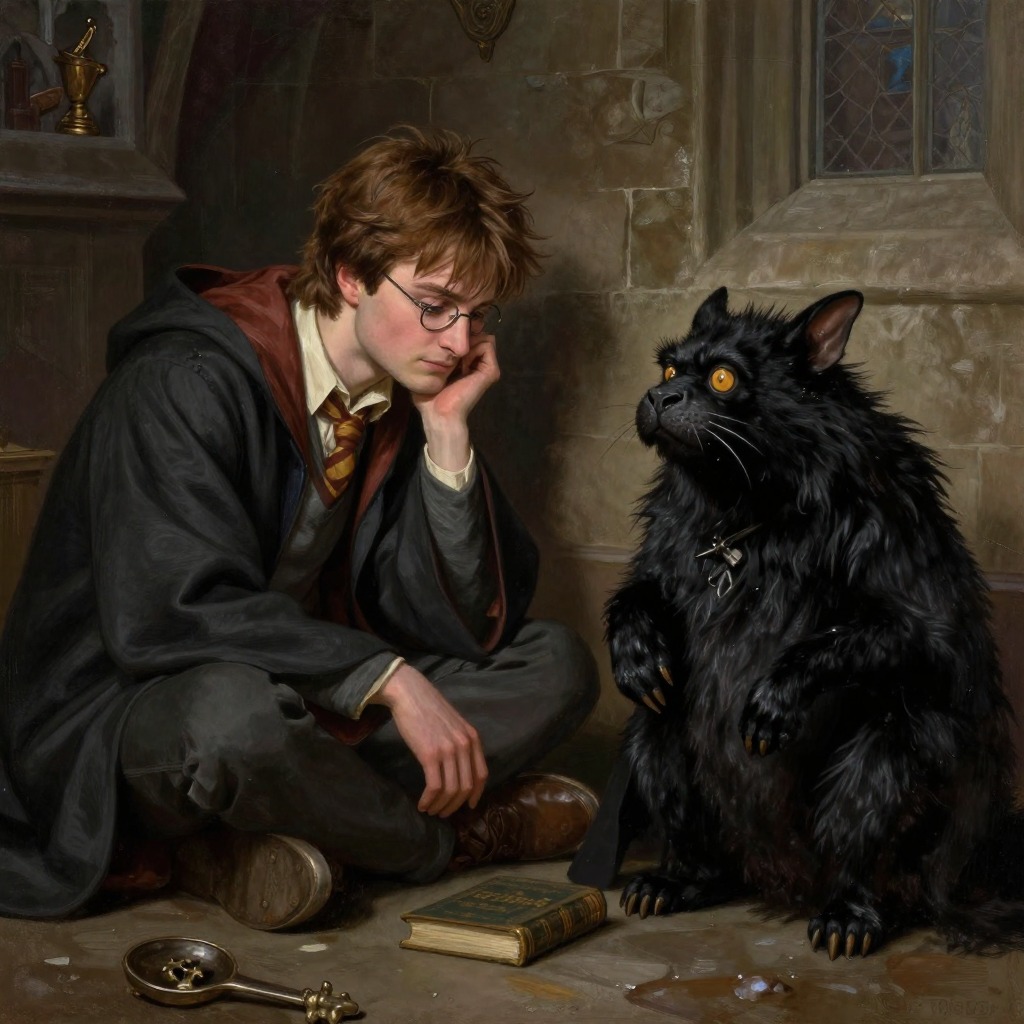
Her Patronus also changes form, becoming a large, four-legged creature. Remus Lupin explains that such a change can occur after a "great shock" or "emotional upheaval," confirming that Tonks's inner turmoil is reshaping even her most fundamental magical signature. Her physical appearance reflects this: she looks thinner, her hair is lank and mouse-colored, and she seems older and more serious. The playful, inquisitive Auror who once made jokes has been replaced by a purposeful but deeply unhappy woman.
Relationships and Conflict: The Unspoken Love
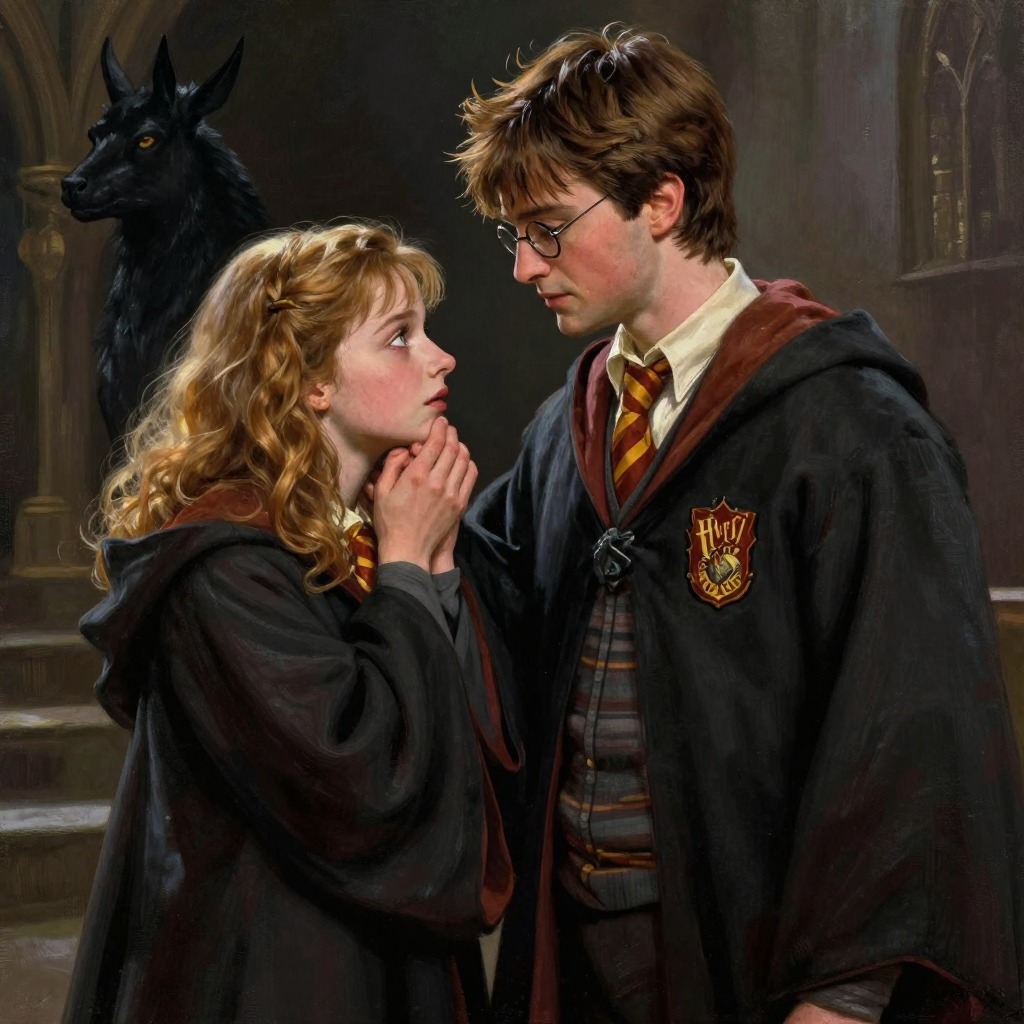
The central conflict in Tonks's arc is her unrequited love for Remus Lupin. Her grief over Sirius is compounded by Lupin's persistent refusal to reciprocate her feelings. He insists he is too old, too poor, and too dangerous for her, a stance that infuriates Tonks. Her desperate attempts to see Dumbledore, her sudden appearances at the Burrow, and her general air of misery are all tied to this emotional impasse. The revelation of her feelings comes during the aftermath of the Battle of the Astronomy Tower, when she confronts Lupin directly, seizing his robes and declaring she doesn't care about his objections. Her Patronus, which Harry had suspected had taken the form of a large four-legged animal, is implicitly revealed to have become a wolf, a symbol of her love for the werewolf. This moment of confrontation is a turning point, as she finally voices her feelings in front of the Weasley family, forcing the issue into the open.
Change and Ending: A Glimmer of Hope
By the novel's end, Tonks's emotional state shows a fragile sign of recovery. At Dumbledore's funeral, her hair has miraculously returned to its "vividest pink," a clear signal that her Metamorphagus powers are returning and that her emotional crisis is beginning to ease. She is seen holding hands with Remus Lupin, indicating that her persistent love has finally been acknowledged and reciprocated. This physical and emotional restoration is a small but significant victory amidst the overwhelming tragedy of Dumbledore's death. Her arc concludes not with a resolution of her grief, but with a renewed sense of hope and connection, symbolized by the return of her signature hair color and her union with Lupin.
Thematic Significance
Tonks's story in The Half-Blood Prince serves as a powerful exploration of trauma, grief, and the resilience of love. Her character demonstrates that emotional wounds can have tangible, magical consequences, affecting even the most innate abilities. Her struggle with survivor's guilt and her fight for love against overwhelming odds mirror the larger themes of the novel: the cost of war, the importance of human connection, and the necessity of hope in the face of despair. Her eventual reunion with Lupin, set against the backdrop of Dumbledore's funeral, offers a rare moment of warmth and continuity, suggesting that even in the darkest times, love can provide a path forward.